We built MedMerge because the alternative was watching practices overpay forever.
Why MedMerge Exists
MedMerge was built on a simple conviction: independent medicine delivers better care at a lower cost.
The lower cost is not accidental. It is structural.
CMS itself pays differently depending on where care is delivered. Perform a treatment in a physician procedure room and the physician receives an enhanced professional payment with no separate facility fee. Move that procedure to an ambulatory surgery center and the facility reimbursement is still lower than the hospital outpatient department. Move it into the hospital and the price rises again.
Same physician. Same procedure. Different building. Different price.
Independent medicine has the better cost structure. Large health systems have the advantages of scale. That is the problem MedMerge was built to solve.
Large health systems spread risk across thousands of employees, negotiate purchasing agreements that individual practices cannot access, and self-fund their benefits. The result is lower costs on everything from healthcare to workers' compensation.
A small practice pays more for the same coverage. Not because the practice is inefficient, but because it is small. The carrier prices for the small group. The pharmacy benefit manager charges retail. The broker calls it the market. It is not the market. It is the structure.
Over time, the physician becomes economically weaker even while delivering care more efficiently. MedMerge exists to change that equation.
What Your Practice Gets
Independent practices already spend enormous amounts on health benefits, workers' compensation, and purchasing. The question is whether those dollars work for your practice or for someone else.
Self-Funded Benefits
Move from fully insured to self-funded. Lower premiums, claims transparency, and plan design you control instead of whatever the carrier offers at renewal.
Friends & Family Network
Care from member practices at cost, not retail. Lower plan expense with every visit that stays inside the network. The savings compound as the network grows.
Direct Contracting
Your practice connects directly with employers and patients. No carrier in the middle setting your rates or routing your referrals.
Purchasing at Scale
Collective purchasing power on everything from prescriptions to workers' compensation. Economics that were never available to a practice your size.
Lower costs. More control. Better benefits for your employees.
Scale Without Consolidation
For decades, physicians have been told that the only way to obtain scale is to surrender independence.
Sell the practice. Join the hospital. Take private equity. Become an employee.
We reject that premise.
Physicians need the advantages of scale. They do not need to give up ownership to get them.
MedMerge gives independent physician practices the financial infrastructure of a health system without requiring them to become one.
Keep the practice. Keep the autonomy. Keep the equity. Aggregate everything else.
Every practice that joins strengthens the economics of the practices already inside the network. More lives create purchasing power. More physicians create contracting power. More network density means more care stays inside the network and costs less.
The network becomes stronger without requiring the individual physician to become less independent.
Independence. Amplified.
Independent physicians are not losing because they practice inferior medicine. They are losing because the organizations acquiring them have spent decades building financial infrastructure around healthcare while physicians focused on delivering healthcare.
Better benefits. Better risk structures. Better purchasing. Direct contracts.
The benefits of scale without surrendering ownership. That is why MedMerge exists.
Leadership.

Dutch Rojas
Healthcare entrepreneur with more than 25 years of experience building physician practices, surgery centers, and businesses that connect physicians with employers. Founded four healthcare companies with three successful exits. At MedMerge, he focuses on helping independent physicians reduce costs, strengthen their businesses, and preserve their independence. Born in the Netherlands. U.S. Marine Corps veteran.
LinkedIn →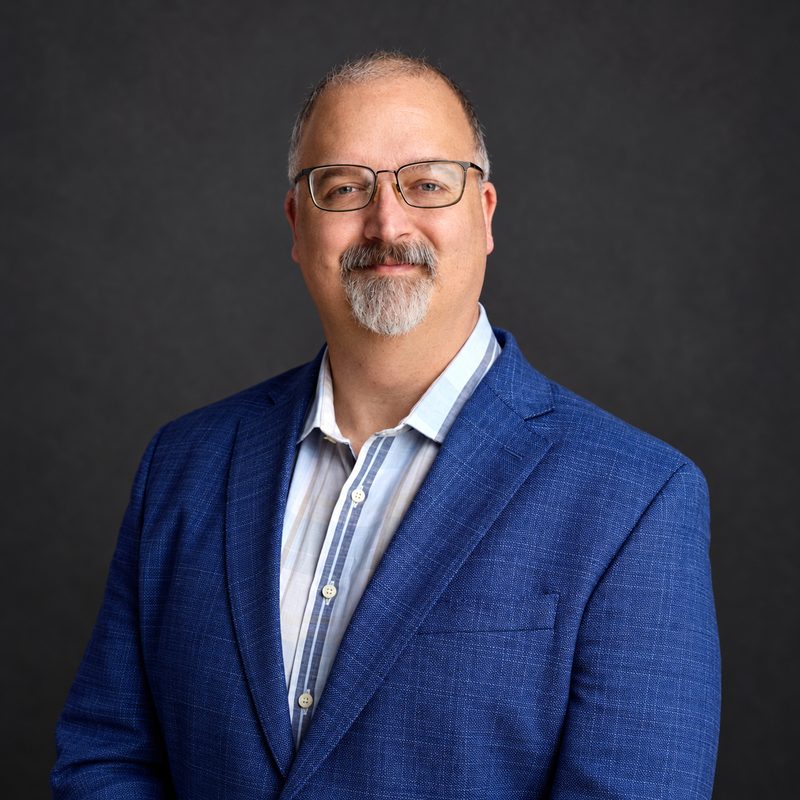
Chuck Foster
Partner at MedMerge, where he leads product. More than 25 years of experience across finance, healthcare, and technology, including direct contracting and strategies to lower employer healthcare costs. Bachelor's degree in business and statistics from the University of Pittsburgh.
LinkedIn →
Christopher Tingley
Leads operations at MedMerge. Background in physician practice management, healthcare technology, and revenue cycle. Previously led integrated healthcare organizations. At MedMerge, he works directly with practices on operations, network development, and growth.
LinkedIn →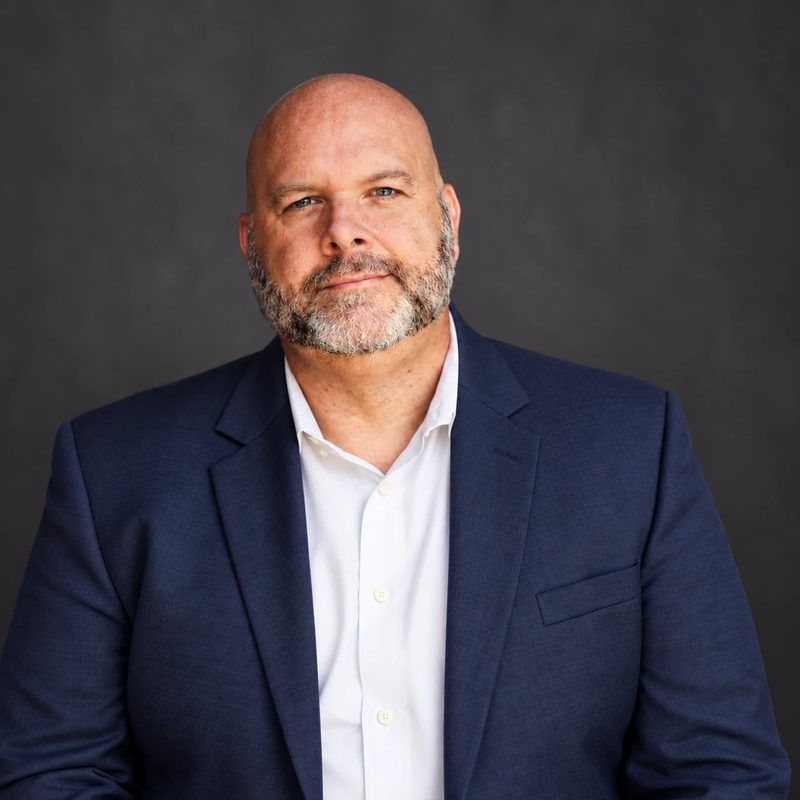
John Behles
Attorney with more than 20 years of experience in intellectual property, patents, and technology licensing, including medical devices, orthopedic implants, and software innovations. Background in both engineering and law. University of Tulsa (BS, Mechanical Engineering; JD). Licensed in Oklahoma and registered before the U.S. Patent and Trademark Office.
LinkedIn →The physicians behind MedMerge.
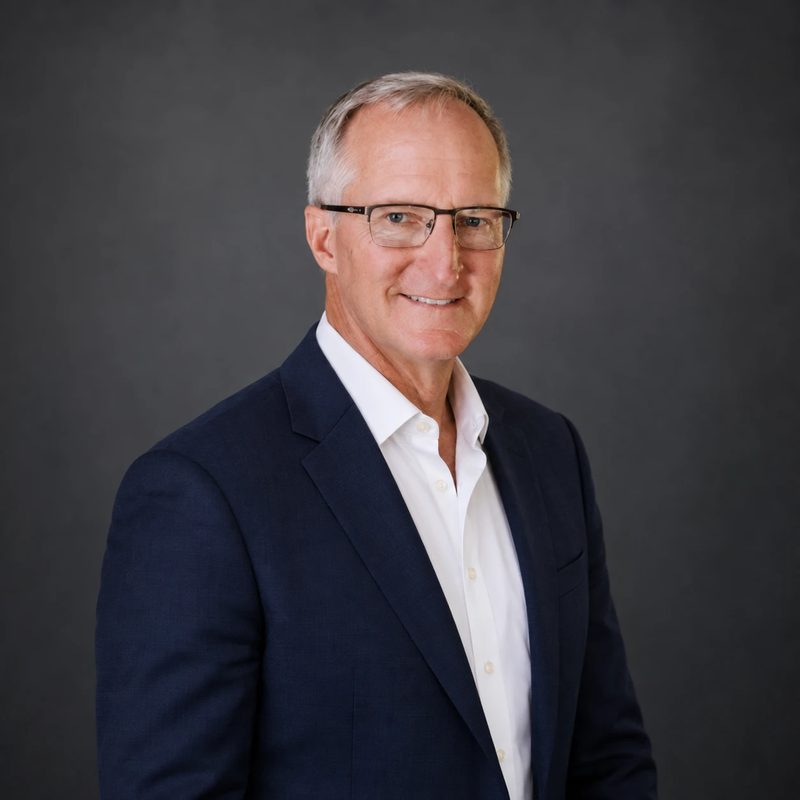
James McAtee, MD
Board-certified orthopedic surgeon and Managing Partner of the Orthopaedic and Sports Medicine Center in Manhattan, Kansas. Chairman of the Board of Manhattan Surgical Hospital and team physician for Kansas State University Athletics. University of Kansas (MD), orthopedic residency at the University of Arkansas.
LinkedIn →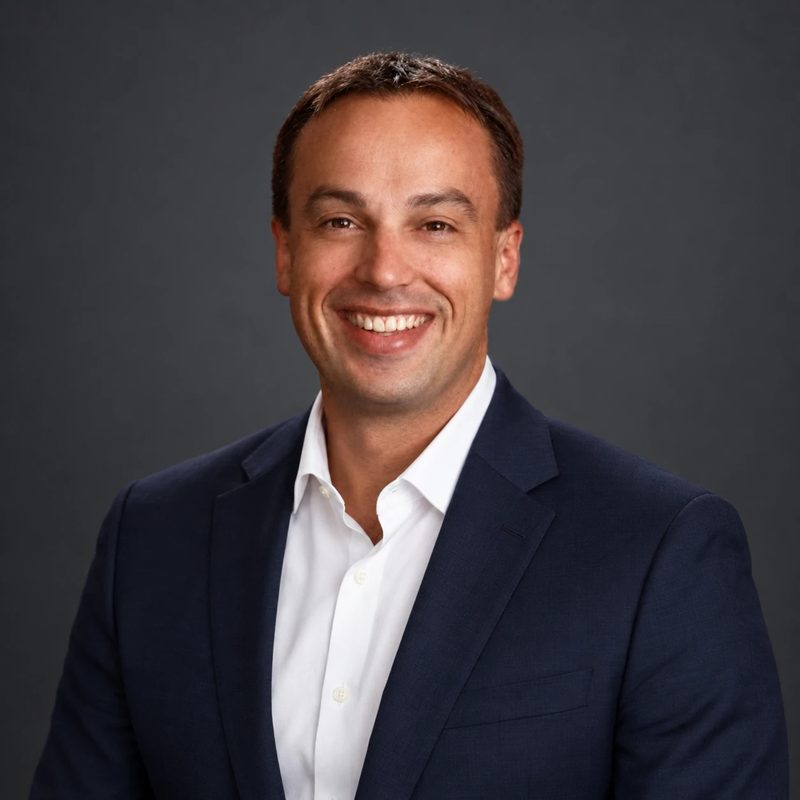
Trevor Gaskill, MD
Orthopedic sports medicine surgeon and Co-Managing Partner of the Orthopaedic and Sports Medicine Center, a physician-owned practice with seven locations in Kansas. Owner and board member of Manhattan Surgical Hospital. Trained at the University of Kansas, Duke University, and the Steadman Clinic. Former Chief of Sports Medicine at Naval Medical Center Portsmouth. MBA from Rockhurst University.
LinkedIn →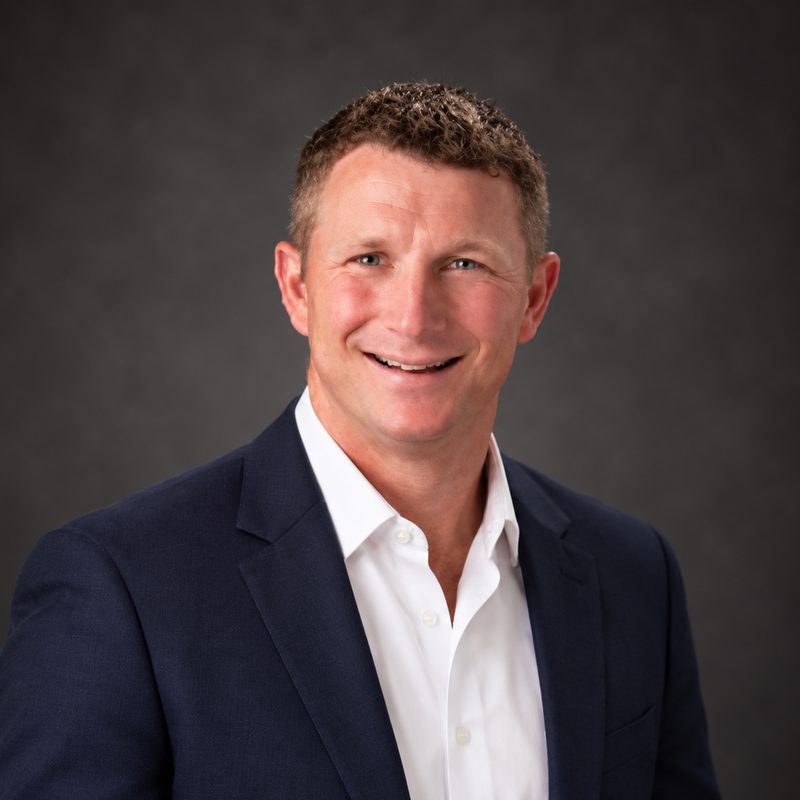
Hank Doering, MD, FACS
General surgeon practicing with Surgical Associates, PA, in Manhattan, Kansas, since 2010. Kansas State University (BS, Microbiology), University of Kansas School of Medicine (MD), general surgery residency at KU School of Medicine–Wichita.
LinkedIn →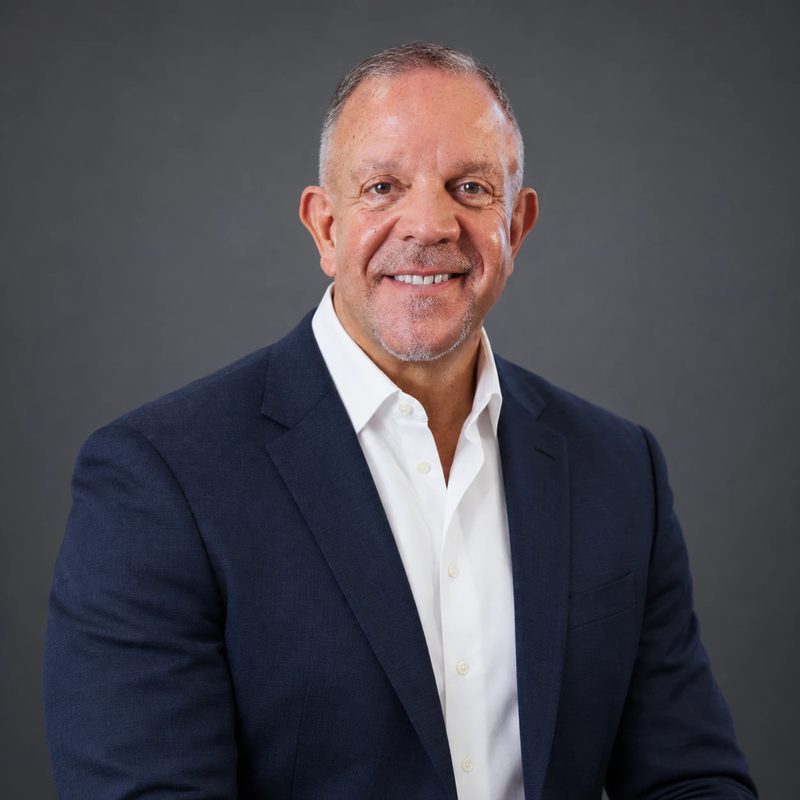
Steven Siwek, MD
Interventional pain specialist and founder of The Pain Center of Arizona, grown to thirteen locations since 2002. Specializes in chronic pain treatment and minimally invasive procedures. New York Medical College (MD), residency and fellowship at Mayo Clinic. MBA from Pepperdine University.
LinkedIn →Your practice deserves better infrastructure.
Benefits, payroll, and HR on one platform. Starting at one employee.